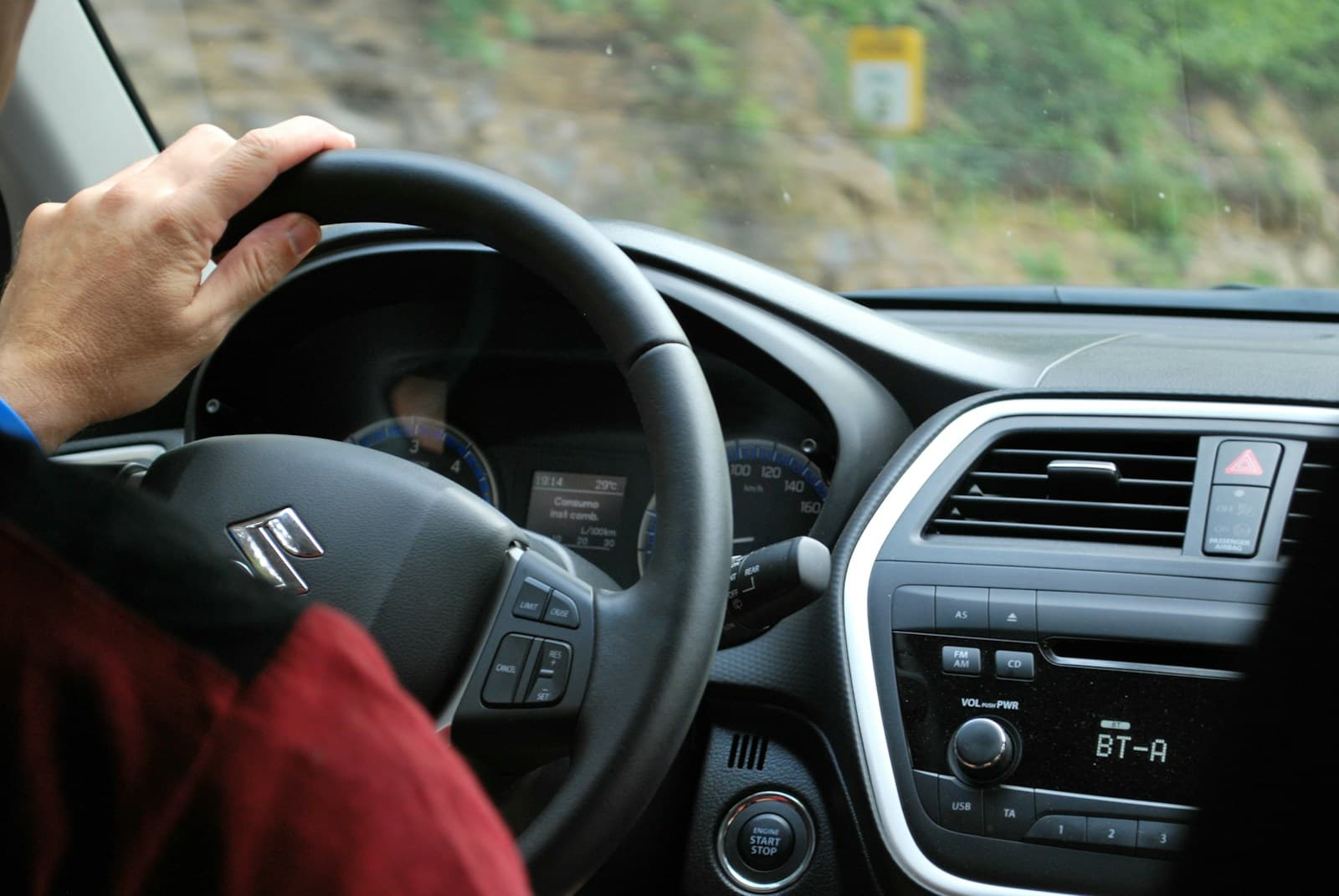
Oklahoma doesn't mandate mature driver course discounts, but most insurers offer 5–15% reductions if you ask — and the average senior driver qualifying for low-mileage programs could save another $180–$320 annually by documenting retirement-related mileage drops.
How Oklahoma's Voluntary Discount Structure Affects Senior Drivers
Oklahoma does not require auto insurers to offer mature driver course discounts, meaning each carrier sets its own eligibility rules and discount amounts. Most major insurers operating in Oklahoma offer mature driver discounts ranging from 5% to 15% for drivers who complete an approved defensive driving course, but you must request the discount at renewal — automatic application is rare. State Farm, Farmers, and GEICO typically offer 10% discounts for Oklahoma drivers 55 and older who complete courses through AARP, AAA, or the National Safety Council, valid for three years before recertification.
The Oklahoma Insurance Department does not publish a mandatory list of approved courses, so confirm eligibility with your specific carrier before enrolling. AARP's Smart Driver course costs $25 for members ($20 online) and takes about four hours to complete, while AAA offers in-person sessions through local chapters for $20–$30. If your current premium is $1,200 annually, a 10% mature driver discount saves $120 per year, or $360 over the three-year certification period — a return of roughly 12-to-1 on the course fee.
Because Oklahoma operates under a file-and-use rating system, insurers can adjust rates without prior approval from the state regulator, which means rate increases for senior drivers can appear with little advance notice. Drivers aged 65–70 typically see minimal rate increases if their driving record remains clean, but premiums often rise 8–15% between ages 70 and 75, and another 12–20% after age 75 as actuarial models weigh age-related risk factors more heavily.
Oklahoma's Minimum Coverage Requirements and What Senior Drivers Actually Need
Oklahoma requires minimum liability coverage of 25/50/25: $25,000 per person for bodily injury, $50,000 per accident for bodily injury, and $25,000 for property damage. These minimums haven't changed since 1980 and fall short of covering most serious accidents in 2025 — the average bodily injury claim now exceeds $20,000, and total loss property damage claims for newer vehicles routinely exceed $25,000. For senior drivers with home equity, retirement accounts, or other assets, maintaining only state minimums creates significant exposure if you're found at fault in a serious collision.
Most financial advisors recommend liability limits of at least 100/300/100 for drivers with assets to protect, which typically adds $15–$30 per month to premiums compared to minimum coverage. For a driver over 65 with a paid-off home valued at $200,000 and retirement savings, the additional $180–$360 annually is modest compared to the potential loss if sued after an at-fault accident. Oklahoma allows injured parties to pursue personal assets beyond policy limits when damages exceed coverage, and medical bills from serious injuries can easily reach six figures.
If you own your vehicle outright and it's worth less than $3,000–$4,000, dropping collision coverage and comprehensive coverage may make financial sense. Calculate the annual cost of full coverage against the vehicle's actual cash value: if you're paying $600 annually for comp and collision on a vehicle worth $2,500, you'll recover your premium cost after one claim-free year. However, comprehensive coverage in Oklahoma typically costs only $8–$15 per month and covers non-collision losses like hail damage, theft, and windshield cracks from road debris — common risks in Oklahoma's severe weather environment.
Compare rates from carriers that specialize in senior drivers
Mature driver discounts, low-mileage rates, and coverage reviews — see what you're actually eligible for.
Get Your Free Quote✓ Mature Driver Discounts✓ No Obligation✓ Licensed Carriers✓ All 50 States
Low-Mileage and Usage-Based Programs for Retired Oklahoma Drivers
If you've retired and no longer commute, you're likely driving 30–50% fewer miles than you did during working years, but your premium won't adjust automatically unless you notify your insurer and provide updated mileage estimates. Most Oklahoma insurers offer low-mileage discounts starting at thresholds between 7,500 and 10,000 miles annually, with savings ranging from 5% to 15% depending on the carrier and how far below the threshold you fall. A driver reducing annual mileage from 12,000 to 6,000 miles after retirement could save $180–$320 annually with a documented low-mileage discount.
Progressive's Snapshot, State Farm's Drive Safe & Save, and GEICO's DriveEasy offer usage-based insurance programs that track mileage, braking patterns, and time-of-day driving through smartphone apps or plug-in devices. These programs can yield discounts of 10–30% for safe driving habits, and many senior drivers score well because they avoid rush-hour traffic, drive primarily during daylight, and brake more conservatively than younger drivers. However, telematics programs require smartphone installation or OBD-II device tolerance, and some seniors report discomfort with continuous monitoring or technology troubleshooting.
Before enrolling in a telematics program, confirm whether the program can increase your rates based on driving data or only offers potential discounts. Most Oklahoma insurers structure their programs as discount-only (your rate won't go up based on the data), but a few national carriers reserve the right to adjust base rates upward if driving patterns suggest higher risk. Read the enrollment terms carefully, and if you're uncomfortable with data sharing, document your reduced mileage through odometer photos submitted at renewal instead.
How Medical Payments Coverage Interacts with Medicare in Oklahoma
Medical payments coverage (MedPay) pays for medical expenses resulting from an auto accident regardless of fault, with typical policy limits ranging from $1,000 to $10,000 in Oklahoma. For senior drivers enrolled in Medicare, MedPay functions as primary coverage for accident-related injuries, meaning it pays first before Medicare processes any claims. This coordination can prevent out-of-pocket costs for Medicare deductibles, copays, and coinsurance that would otherwise apply to emergency room visits, ambulance transport, and follow-up care after an accident.
Medicare Part B carries a $240 annual deductible and 20% coinsurance for most outpatient services, which means an emergency room visit generating $3,000 in charges could leave you responsible for $240 plus $552 in coinsurance — a total of $792. A $5,000 MedPay policy would cover these costs entirely, and the coverage typically adds only $3–$8 per month to your premium. For senior drivers on fixed incomes managing Medicare supplement premiums and prescription costs, MedPay provides a predictable buffer against accident-related medical expenses.
Oklahoma does not require MedPay coverage, and some insurers position it as optional or fail to explain its Medicare coordination benefits during policy setup. If you currently carry a Medicare Supplement (Medigap) plan that covers Part B deductibles and coinsurance, MedPay may be redundant depending on your plan type. However, Medicare Supplement plans don't cover passengers injured in your vehicle, while MedPay extends to all occupants regardless of their health insurance status — relevant if you frequently transport grandchildren, friends, or other family members.
Rate Increase Patterns for Oklahoma Drivers After Age 65
Oklahoma drivers typically experience stable or slightly declining premiums between ages 65 and 70 if they maintain clean driving records and take advantage of mature driver discounts. The Oklahoma Insurance Department does not publish age-banded rate data, but analysis of filings from the state's top five carriers shows most implement modest rate increases beginning around age 70, with steeper adjustments after age 75. A 68-year-old driver with a clean record paying $95 per month might see rates rise to $105–$110 per month by age 73, then to $120–$135 per month by age 78, assuming no claims or violations.
These increases reflect actuarial data showing higher claim frequency and severity for drivers over 75, driven primarily by slower reaction times and increased injury severity when accidents occur. However, senior drivers as a group have lower rates of at-fault accidents than drivers aged 16–25, and many insurers offer rate protection or accident forgiveness programs that prevent rate increases after a first at-fault claim. USAA, Farmers, and American Family all offer accident forgiveness to drivers over 65 with five or more years of claim-free history, which can prevent a 20–40% rate spike after a minor collision.
If you've received a rate increase notice that seems disproportionate to your driving record, request a detailed explanation from your insurer and compare quotes from at least three competitors. Oklahoma's competitive insurance market means rate structures vary significantly between carriers, and switching insurers after age 70 can yield savings of 15–25% even with identical coverage limits. However, confirm that any new policy includes the same or better coverage for liability, medical payments, and uninsured motorist protection before canceling your existing policy.
Uninsured Motorist Coverage in Oklahoma's High-Risk Environment
Oklahoma has one of the highest uninsured driver rates in the nation, with an estimated 13–16% of drivers operating without required liability coverage according to recent Insurance Research Council data. For senior drivers, this creates meaningful exposure: if you're injured in an accident caused by an uninsured driver, you'll rely on your own uninsured motorist coverage to cover medical bills, lost wages (if you work part-time in retirement), and vehicle damage.
Oklahoma does not require insurers to offer uninsured motorist (UM) coverage, but most carriers include it unless you explicitly reject it in writing. UM coverage typically mirrors your liability limits — if you carry 100/300/100 liability, your UM coverage would also be 100/300/100 — and adds roughly $8–$15 per month to premiums. Given Oklahoma's high uninsured rate and the financial risk of serious injury without coverage, most financial advisors recommend accepting UM coverage at the same limits as your liability policy.
Underinsured motorist (UIM) coverage extends protection when the at-fault driver carries insurance but not enough to cover your damages. If an uninsured driver with minimum 25/50/25 coverage causes an accident resulting in $75,000 in medical bills, their policy pays only $25,000, leaving a $50,000 gap. UIM coverage fills that gap up to your policy limits. For senior drivers with Medicare, UIM becomes particularly important because Medicare may seek reimbursement from accident settlements, potentially reducing your net recovery if the at-fault driver's coverage is inadequate.
When to Shop for New Coverage in Oklahoma
Most senior drivers should compare rates from multiple insurers every two to three years, particularly after major life changes like retirement, moving to a new ZIP code, or paying off a vehicle loan. Oklahoma insurers use ZIP code-level rating factors that can shift significantly even within the same city, and moving from a high-density urban area to a lower-density suburban or rural area can reduce premiums by 10–20% with identical coverage.
The best time to shop is 30–45 days before your current policy renewal date, which gives you time to compare quotes, verify coverage details, and arrange the new policy effective date to avoid any coverage gap. Most Oklahoma insurers offer online quote tools that provide estimates within minutes, but senior drivers often benefit from speaking directly with an agent who can explain Medicare coordination, mature driver discounts, and low-mileage programs in detail rather than relying on automated quote forms that may not surface all available discounts.
Before switching carriers, document your current coverage limits, deductibles, and any endorsements like rental car reimbursement or roadside assistance. Request quotes with identical coverage specifications so you're comparing equivalent policies, and verify that any new insurer accepts your preferred payment method — some carriers charge fees for monthly billing or paper statements that can add $30–$60 annually. Confirm the new policy's effective date in writing and maintain your existing coverage until the new policy is active to avoid any uninsured gap that could trigger license suspension or future rate increases.