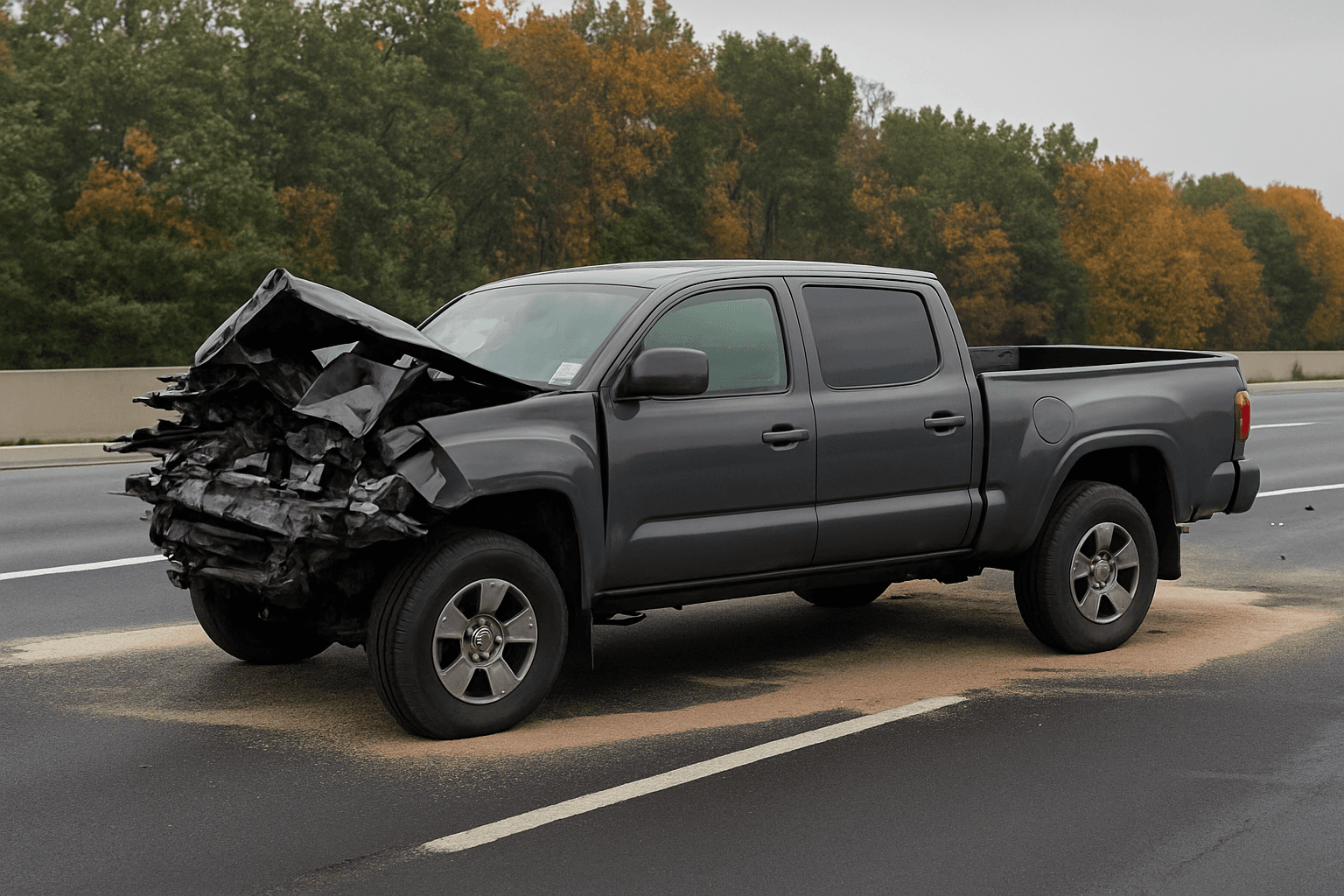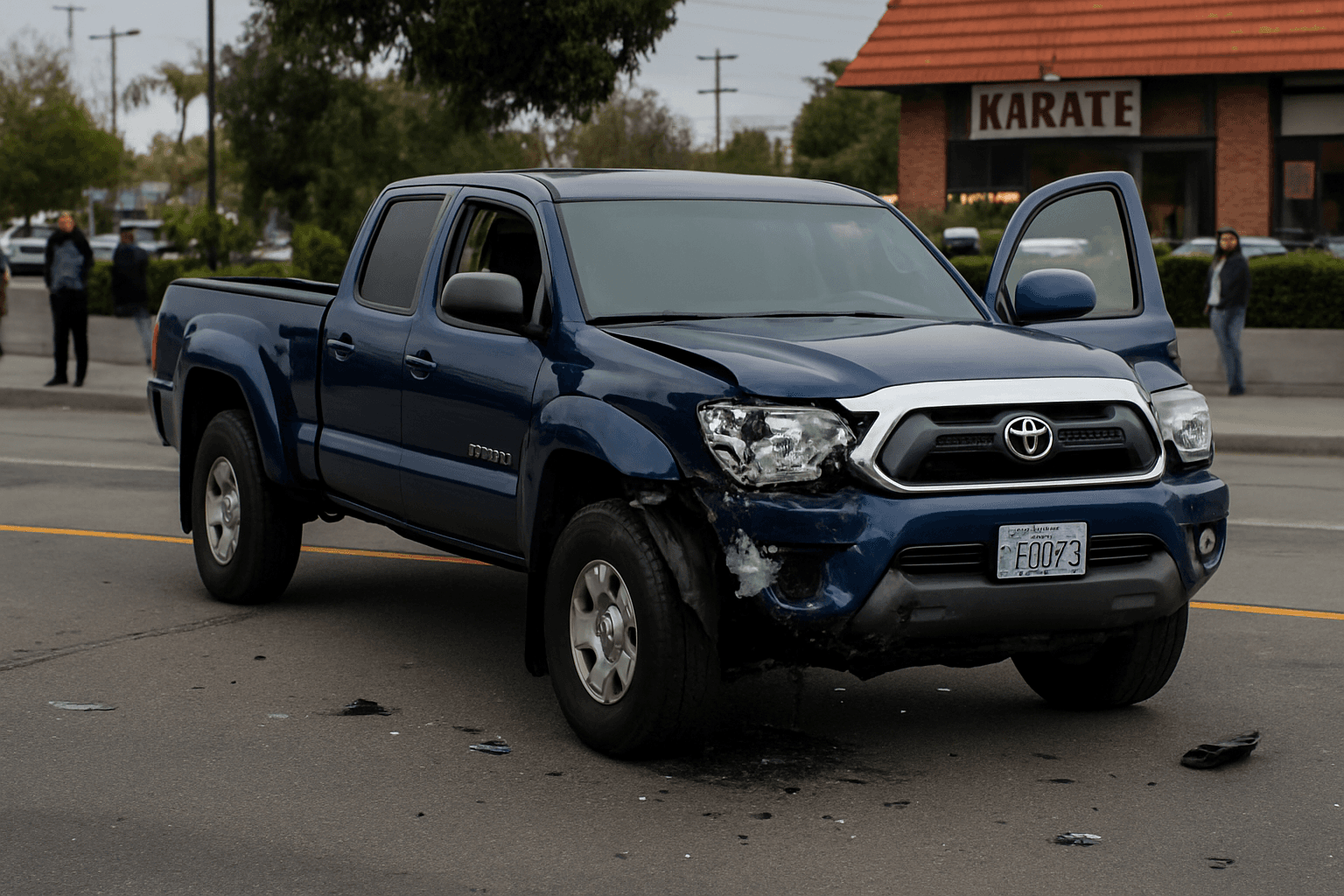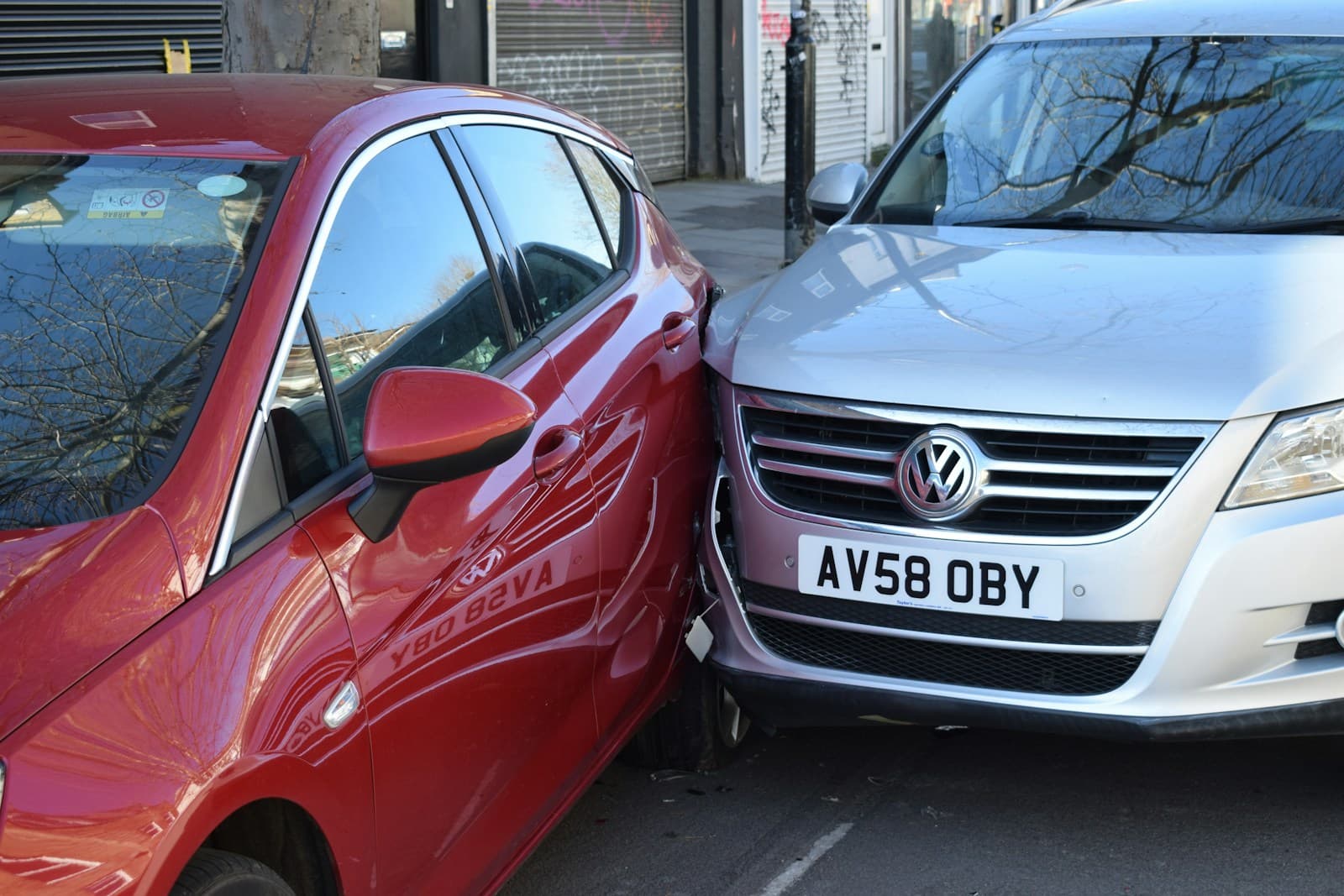
A single at-fault accident after age 65 can increase your California auto insurance premium by 30–50% at renewal, but mature driver course discounts and accident forgiveness programs can offset much of that increase if you know which carriers offer them and how to qualify.
What Happens to Your Premium After One At-Fault Accident in California
A single at-fault accident typically increases your California auto insurance premium by 30–50% at your next renewal, regardless of your age or driving history before the incident. The surcharge applies for three to five years depending on your carrier, with the steepest increase appearing in the first renewal period after the accident.
For drivers over 65, this presents a specific problem: you're already facing age-based rate adjustments that begin around age 70 in most actuarial models, and the accident surcharge compounds that increase. A driver who was paying $95 per month at age 66 with a clean record might see their premium jump to $140–$160 per month after one at-fault accident, even if the claim was relatively minor.
The accident stays on your California driving record for three years from the date it occurred, but insurers can apply surcharges based on claims history for up to five years under their underwriting guidelines. This means the rate impact often outlasts the public record of the incident itself.
Which California Carriers Offer Accident Forgiveness for Senior Drivers
Accident forgiveness programs prevent the first at-fault accident from triggering a rate increase, but availability and eligibility requirements vary significantly by carrier in California. Several insurers writing in the state offer accident forgiveness specifically structured for drivers over 65, while others require a longer claim-free period or limit the program to drivers under a certain age.
AAA, Mercury, and CSAA offer accident forgiveness programs available to senior drivers who meet specific tenure and claim-free thresholds. AAA's program typically requires five years of continuous coverage with no at-fault accidents before the incident. Mercury offers a version tied to their DriveEasy telematics program, which some senior drivers find intrusive but which can reduce premiums by 15–25% when combined with low annual mileage.
State Farm and Farmers also write accident forgiveness into certain policy tiers, but eligibility often requires enrollment before the accident occurs. If you're currently claim-free and over 65, asking your carrier about accident forgiveness now — before you need it — can lock in protection that isn't available retroactively after an incident.
Compare rates from carriers that specialize in senior drivers
Mature driver discounts, low-mileage rates, and coverage reviews — see what you're actually eligible for.
Get Your Free Quote✓ Mature Driver Discounts✓ No Obligation✓ Licensed Carriers✓ All 50 States
How California's Mature Driver Course Discount Offsets Accident Surcharges
California Insurance Code Section 1861.025 requires insurers to offer a premium reduction to drivers who complete a state-approved mature driver improvement course, but the statute does not mandate a specific discount percentage. Carriers set their own discount rates, which range from 5% to 20% depending on the insurer and your policy tier.
This discount applies to the base premium before the accident surcharge is calculated, which means it reduces your total cost even after a rate increase. A driver paying $160 per month after an accident who qualifies for a 10% mature driver discount would see their premium drop to $144 per month — a $192 annual savings that recurs for the three-year period the discount remains valid.
The course must be approved by the California Department of Motor Vehicles and typically requires four to eight hours of classroom or online instruction. AARP, AAA, and the National Safety Council all offer DMV-approved courses accepted by California insurers. The discount does not remove the accident from your record or eliminate the surcharge entirely, but it narrows the gap between your pre-accident rate and your post-accident rate by a measurable amount that most senior drivers leave unclaimed.
When Low-Mileage Programs Make Sense After an Accident
Retiring or reducing work hours after 65 often cuts annual mileage to 7,500 miles or fewer, and several California carriers offer low-mileage or pay-per-mile programs that reduce premiums for drivers who no longer commute. After an at-fault accident, switching to a mileage-based program can offset part of the surcharge if your actual road time has dropped significantly.
Metromile and Nationwide's SmartMiles program both operate in California and charge a base rate plus a per-mile fee, typically 5 to 7 cents per mile. A senior driver covering 6,000 miles annually might pay $50–$70 per month under a pay-per-mile structure compared to $140–$160 under a traditional policy with an accident surcharge. The savings increase as your mileage decreases.
Most telematics and low-mileage programs require an initial monitoring period before the discount applies, and some carriers exclude drivers with recent at-fault accidents from enrolling for six to twelve months after the incident. If you're eligible, enrollment immediately after the accident — even if the discount is delayed — positions you to capture the savings as soon as the waiting period ends.
Whether Full Coverage Still Makes Sense on a Paid-Off Vehicle
Many senior drivers over 65 own vehicles that are fully paid off and eight to twelve years old, which raises the question of whether comprehensive and collision coverage remain cost-justified after an at-fault accident increases those premiums. The answer depends on the vehicle's actual cash value and the annual cost of coverage after the surcharge.
If your vehicle is worth $4,000 and your combined comprehensive and collision premium is $800 per year after the accident surcharge, you're paying 20% of the vehicle's value annually for coverage that will never pay more than $4,000 minus your deductible. In most cases, dropping to liability-only coverage makes financial sense when the annual premium exceeds 10–15% of the vehicle's value.
Before removing coverage, confirm your California liability limits are adequate. The state minimum is $15,000 per person and $30,000 per accident for bodily injury, which exposes retirement assets in any serious collision. Increasing liability to $100,000/$300,000 while dropping collision often costs less per month than maintaining full coverage on a low-value vehicle and provides significantly better financial protection.
How to Compare Rates Without Triggering Multiple Hard Inquiries
Shopping for coverage after an at-fault accident is essential because rate increases vary widely by carrier, but many senior drivers avoid comparing quotes because they believe each inquiry will lower their credit score. California is one of the few states where insurance shopping inquiries are treated as soft pulls that do not affect credit scores when conducted within a concentrated timeframe.
Requesting quotes from multiple carriers within a 14-day window allows you to compare post-accident rates without credit impact. Focus on carriers that actively write coverage for senior drivers with recent claims: Mercury, CSAA, AAA, and Progressive all maintain underwriting appetite for drivers over 65 with one at-fault accident in the past three years.
When requesting quotes, provide the exact accident date, claim amount, and fault determination. Understating the severity or omitting details will result in a rate revision after underwriting review, which wastes time and often locks you into a policy priced higher than alternatives you could have accessed with accurate initial disclosure.