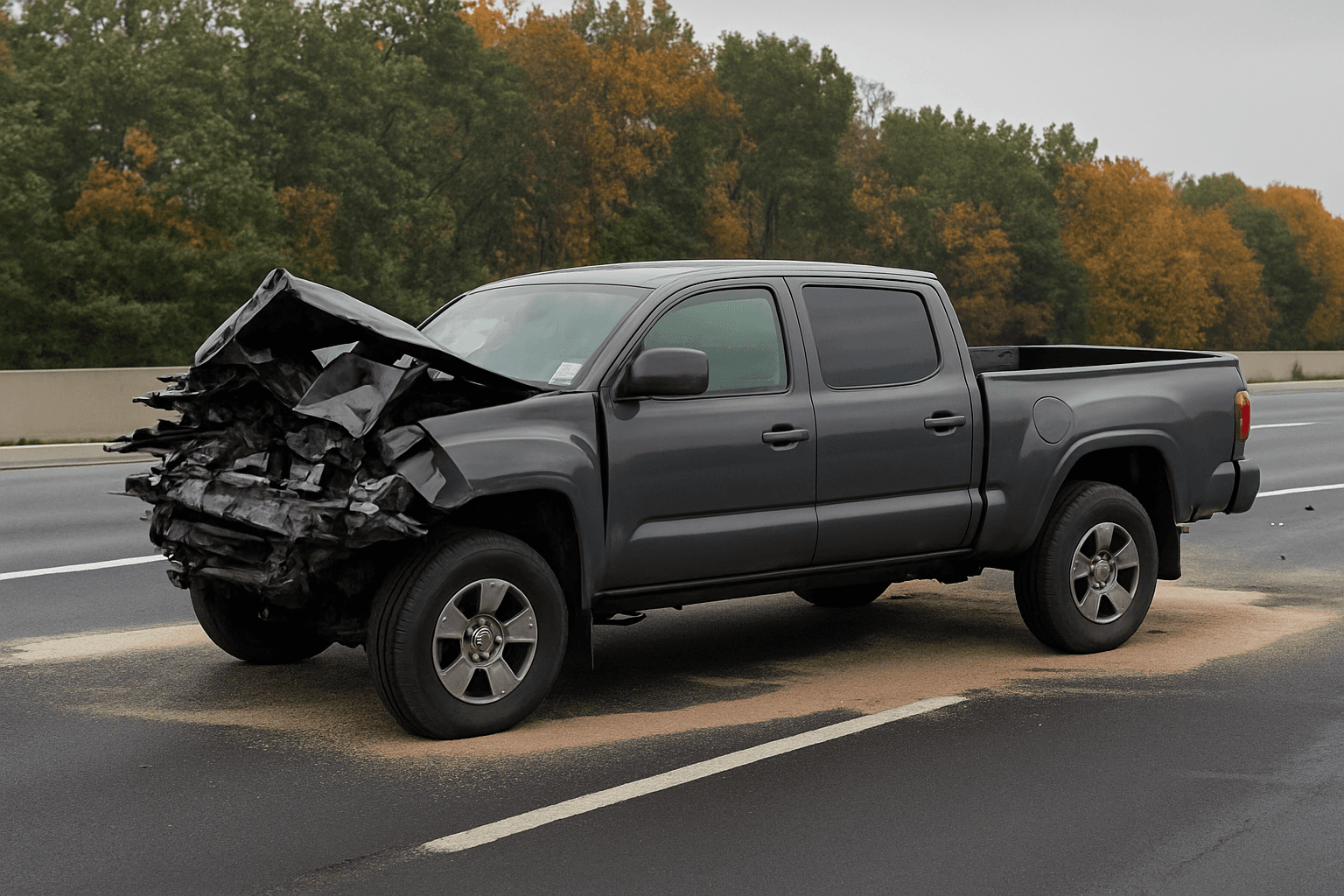
One at-fault accident doesn't eliminate your eligibility for senior discounts in Illinois, but most carriers won't tell you how to keep them active through the surcharge period.
How One At-Fault Accident Changes Your Premium After Age 65
A single at-fault accident increases premiums for Illinois drivers over 65 by 20–40% on average, with the surcharge remaining active for 3–5 years depending on carrier. The increase applies to your base rate, but most carriers continue offering mature driver course discounts during the surcharge period if you maintain active certification.
The gap most senior drivers miss: accident forgiveness programs from carriers like Allstate, State Farm, and Nationwide typically exclude your first at-fault accident from surcharge only if you qualified before the accident occurred. If you weren't enrolled when the accident happened, you pay the full surcharge even if you've been claim-free for 20 years prior.
Illinois does not mandate accident forgiveness, and carriers set their own eligibility rules. Most require 5+ years claim-free before enrollment, meaning a driver over 65 with one accident will pay the surcharge in full this term while becoming eligible for forgiveness protection on the next policy period.
Which Illinois Carriers Offer the Lowest Rates for Senior Drivers With One Accident
State Farm and Country Financial consistently quote 15–25% lower than the Illinois market average for drivers over 65 with one at-fault accident, primarily because both carriers weight tenure and prior claim history more heavily than recent single incidents. GEICO and Progressive often appear cheaper at initial quote but apply steeper accident surcharges that erode savings by year two of the surcharge period.
Alliance and Auto-Owners write competitive rates for senior drivers in Illinois and both offer mature driver discounts that stack with multi-policy and low-mileage discounts even during an accident surcharge period. Neither advertises heavily, so most drivers over 65 don't request quotes from them.
Estimates based on available industry data; individual rates vary by vehicle, coverage selections, exact accident details, and location within Illinois. Monthly premiums for a 68-year-old driver with one at-fault accident and minimum state liability coverage typically range from $95 to $160 per month depending on carrier and county.
Compare rates from carriers that specialize in senior drivers
Mature driver discounts, low-mileage rates, and coverage reviews — see what you're actually eligible for.
Get Your Free Quote✓ Mature Driver Discounts✓ No Obligation✓ Licensed Carriers✓ All 50 States
How to Keep Your Mature Driver Discount Active During the Surcharge Period
Illinois does not mandate mature driver course discounts, but most carriers writing in the state offer 5–10% premium reductions for drivers over 55 who complete an approved defensive driving course. The discount remains active during an accident surcharge period as long as you re-verify course completion before your certification expires, typically every 3 years.
Most senior drivers lose the discount not because the carrier removes it after an accident, but because they miss the re-certification deadline while focused on the rate increase. The average mature driver discount in Illinois saves $8–$15 per month, meaning a lapsed certification during a 3-year surcharge period costs $288–$540 in foregone savings.
AARP and AAA both offer state-approved courses in Illinois, available online and in-person. Course completion certificates must be submitted to your carrier within 30 days to maintain continuous discount eligibility. If your certification lapsed, completing a new course reactivates the discount immediately at your next renewal.
Whether Full Coverage Still Makes Sense on a Paid-Off Vehicle After an Accident
Collision coverage on a vehicle worth less than $5,000 typically costs $40–$70 per month for Illinois drivers over 65 with one at-fault accident. If your vehicle is paid off and valued under $4,000, you'll recover at most $3,400–$3,500 after your deductible in a total loss claim, meaning you break even after 4–5 years of collision premiums.
Comprehensive coverage remains cost-justified longer because it protects against theft, weather damage, and animal strikes regardless of fault. Illinois has moderate vehicle theft rates and severe winter weather in northern counties, making comprehensive coverage worth carrying even on older paid-off vehicles if the premium stays under $25 per month.
The decision point for most senior drivers: if your vehicle is worth less than 10 times your annual collision premium, drop collision and bank the savings. Keep comprehensive until the vehicle is worth less than 6 times the annual premium.
Low-Mileage and Usage-Based Programs That Offset Accident Surcharges
Retired drivers in Illinois average 6,000–8,000 miles per year compared to the state average of 12,500 miles, but most don't know that low-mileage discounts from carriers like Allstate (Milewise), Nationwide (SmartMiles), and State Farm (Drive Safe & Save) can reduce premiums by 20–40% even during an accident surcharge period.
Usage-based programs measure actual driving behavior through a mobile app or plug-in device. For senior drivers with one accident, these programs offer a path to prove current safe driving habits rather than being rated solely on the past incident. Discounts apply within 60–90 days of enrollment based on smooth braking, moderate speeds, and reduced night driving.
The offset matters: a $35 monthly low-mileage discount applied to a $140 base premium with a 30% accident surcharge results in a net premium of $147 per month instead of $182. Over a 3-year surcharge period, that's $1,260 in recovered costs.
When Accident Forgiveness Becomes Available Again and How to Lock It In
Most Illinois carriers restore accident forgiveness eligibility 3–5 years after your last at-fault claim drops off your record, depending on the carrier's underwriting rules. State Farm and Allstate typically require 5 consecutive years claim-free after the surcharge period ends; Nationwide and Progressive require 3 years.
The critical timing window: enroll in accident forgiveness as soon as you regain eligibility, even if your premium has returned to pre-accident levels. The protection applies only to future incidents, and waiting until after a second accident means paying another full surcharge with no protection.
For drivers over 70, accident forgiveness enrollment becomes more valuable because premium increases from future accidents compound with age-based rate adjustments that accelerate after age 70 in most carrier models. Locking in forgiveness at age 68 after a 5-year clean period protects you through the higher-rate years ahead.