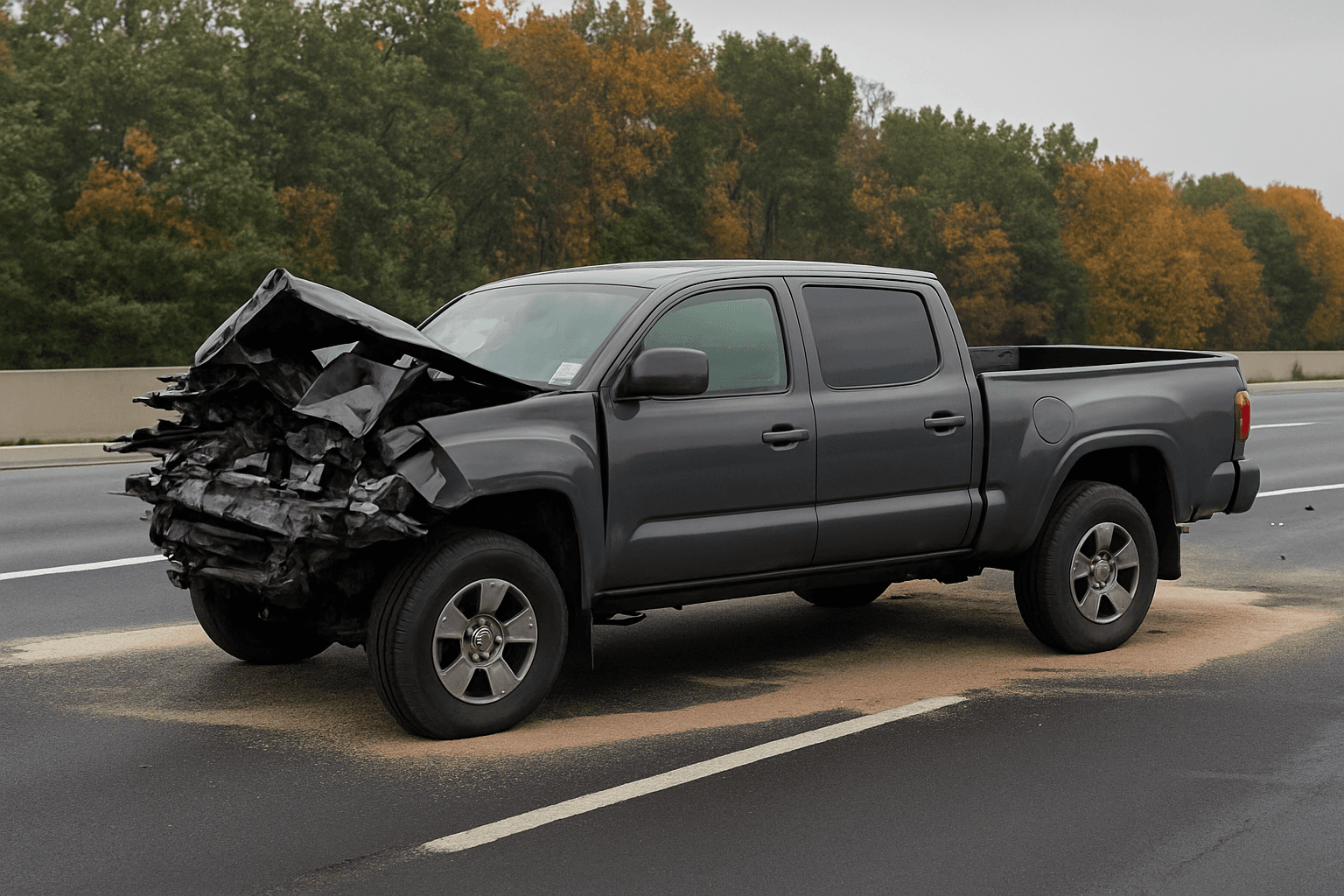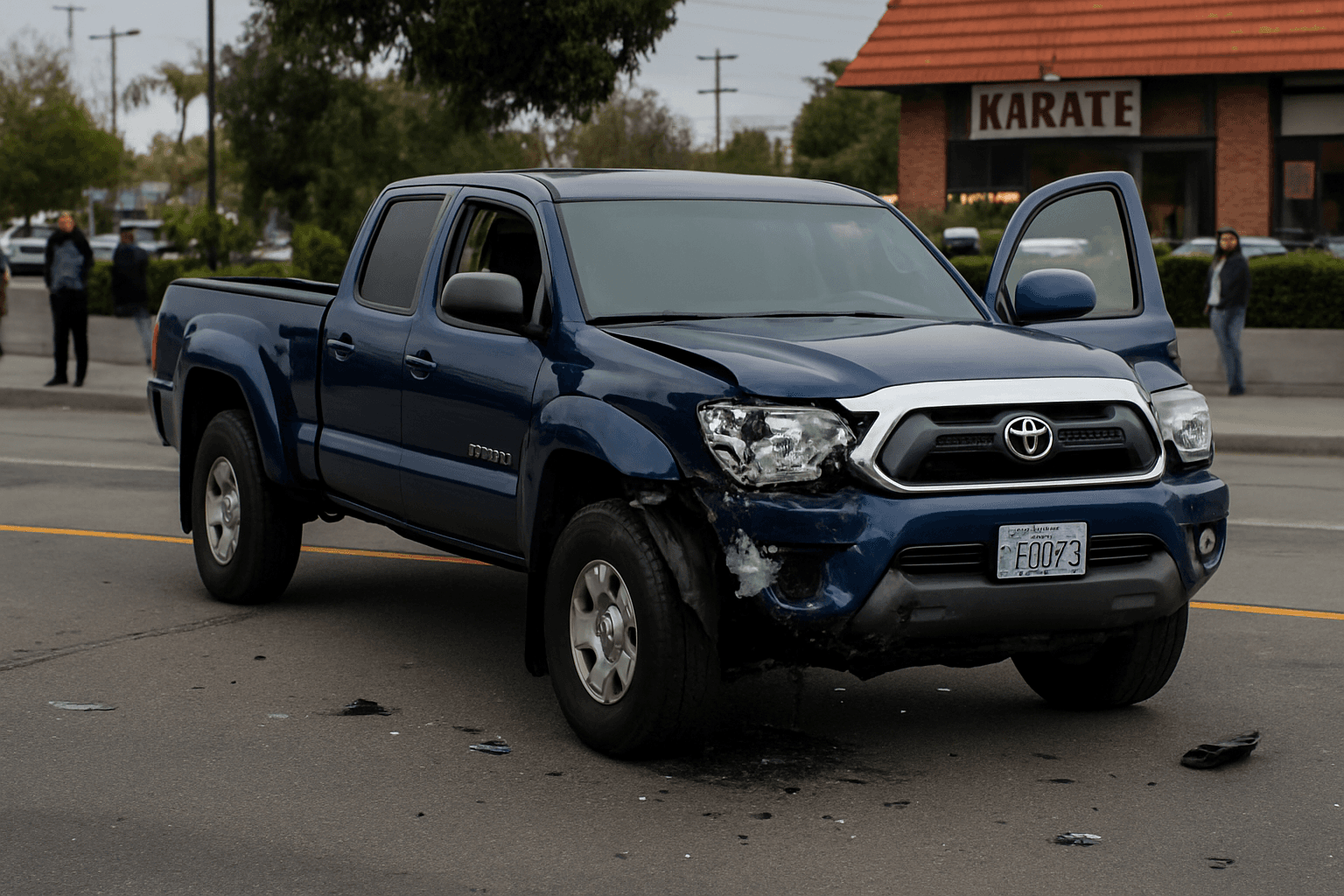
A single at-fault accident after 65 doesn't erase decades of clean driving. Here's how to recover the lowest rates in Texas when your premium just spiked — and which carriers forgive first accidents fastest for older drivers.
What a Single At-Fault Accident Actually Costs Drivers Over 65 in Texas
A single at-fault accident in Texas typically raises premiums 20–40% for drivers over 65, translating to an increase of $300–$700 annually depending on your prior rate tier. The surcharge remains active for three years from the accident date, not the claim settlement date. Most carriers apply the surcharge at your next renewal, but a handful assess it mid-term if the claim closes before renewal.
The penalty is steeper for senior drivers because you're already in a higher base rate bracket. Texas carriers adjust premiums upward starting around age 70 regardless of driving record, so an accident compounds an increase already in motion. A 72-year-old paying $95/mo before an accident might see that climb to $135/mo — the accident surcharge stacks on top of the age-based adjustment.
Three factors determine your post-accident rate: claim severity (total payout), your tenure with the carrier, and whether you qualify for accident forgiveness. Claims under $2,500 generate smaller surcharges than those exceeding $5,000. Drivers who've been with the same carrier for five or more years often see lower increases than recent switchers, but only if the carrier weights tenure in their rating algorithm — not all do.
Which Texas Carriers Offer Accident Forgiveness for Senior Drivers
Accident forgiveness waives the first at-fault accident surcharge if you meet eligibility criteria before the accident occurs. Texas Farm Bureau, USAA (military-affiliated families only), and American National offer forgiveness programs accessible to drivers 65 and older, but each structures qualification differently.
Texas Farm Bureau requires five consecutive years accident-free with the carrier and enrollment in their mature driver program, which mandates completing a state-approved defensive driving course every three years. The forgiveness applies once per policy lifetime, not once per term. USAA extends forgiveness to members over 65 automatically after three years claim-free, with no course requirement, but membership is restricted to military families. American National offers forgiveness as an optional endorsement for $40–$60 annually — you must purchase it before the accident to use it.
State Farm and Allstate advertise accident forgiveness in Texas but restrict eligibility to drivers under 60 at enrollment. Once you turn 60, you can no longer qualify for their programs even if you've been claim-free for decades. Progressive's accident forgiveness in Texas requires bundling home and auto, which excludes most seniors renting or living in retirement communities without homeowners policies.
Compare rates from carriers that specialize in senior drivers
Mature driver discounts, low-mileage rates, and coverage reviews — see what you're actually eligible for.
Get Your Free Quote✓ Mature Driver Discounts✓ No Obligation✓ Licensed Carriers✓ All 50 States
How Long You Should Wait Before Shopping After an Accident in Texas
Shop immediately after the accident surcharge appears on your renewal notice, not before. Texas carriers cannot legally surcharge you until the claim closes and the accident posts to your record, which typically occurs 30–60 days after settlement. Your current carrier will apply the increase at your next renewal following that posting date.
Waiting three years for the accident to fall off your record before shopping costs you money. Most carriers offer competitive rates to seniors with one accident if you pair the quote request with proof of a mature driver course completion and documentation of your prior clean record. The discount from the course (typically 5–10% in Texas) partially offsets the accident surcharge, and switching carriers resets you into their new-customer acquisition pricing, which is often lower than renewal pricing even with an accident.
Run quotes from at least five carriers within the same week. Texas carriers pull your driving record during underwriting, and multiple inquiries within a 14-day window count as a single pull for record-keeping purposes. Staggering quotes over months triggers multiple record pulls, which some carriers interpret as rate-shopping desperation and price accordingly.
Mature Driver Course Discounts in Texas After an At-Fault Accident
Texas requires all carriers writing personal auto to offer a mature driver discount to policyholders 55 and older who complete a state-approved defensive driving course. The discount ranges from 5% to 10% depending on carrier, and it applies for three years from course completion. The discount stacks with other reductions — it does not replace your good driver discount or low-mileage savings.
The course must be approved by the Texas Department of Licensing and Regulation. Approved providers include AARP Driver Safety, AAA, and several online platforms. The course runs six hours, can be completed online or in-person, and costs $15–$35. You submit the completion certificate directly to your carrier, and the discount applies at your next renewal or mid-term if you request immediate processing.
After an at-fault accident, the mature driver discount becomes one of the few levers you control. If your premium increased $400 annually due to the accident, a 10% mature driver discount recovers $40–$50 of that increase immediately. Retake the course every three years to maintain eligibility — the discount expires if you let the certification lapse, and reinstatement is not retroactive.
Whether Full Coverage Still Makes Sense on a Paid-Off Vehicle After an Accident
Drop collision and comprehensive coverage if your vehicle's current market value is less than 10 times your annual premium for those coverages. A 2015 sedan worth $6,000 carrying $800/year in collision and comprehensive premiums is costing you 13% of the vehicle's value annually — uneconomical even with an accident on record.
Retain liability, uninsured motorist, and medical payments coverage regardless of vehicle value. Texas is a tort state, meaning you're financially responsible for injuries and property damage you cause. A single at-fault accident does not increase your liability exposure — it confirms you're statistically more likely to need that coverage again. Drivers over 65 often carry retirement assets, home equity, and savings accounts all exposed in a lawsuit following an at-fault accident. Minimum liability limits ($30,000 per person injured) are insufficient.
Consider raising your collision deductible to $1,000 or $1,500 if you keep full coverage. The premium savings from a higher deductible partially offset the accident surcharge, and most seniors have the liquidity to cover a $1,500 out-of-pocket expense rather than financing it through monthly premiums. A $500 deductible on a 2018 vehicle might cost $85/mo in collision premium; raising it to $1,500 drops that to $50/mo, saving $420 annually.
How Low-Mileage Programs Work in Texas for Retired Drivers With an Accident
Low-mileage discounts in Texas range from 5% to 15% for drivers logging fewer than 7,500 miles annually, and the discount applies even with an accident on record. Most carriers verify mileage through annual odometer photos, telematics devices, or self-reported estimates audited at renewal. The accident surcharge and the low-mileage discount calculate independently — one does not cancel the other.
Metromile and Nationwide's SmartMiles program offer pay-per-mile pricing in Texas, charging a low monthly base rate plus a per-mile fee. For seniors driving under 5,000 miles annually, pay-per-mile often costs 30–40% less than traditional policies even with an accident surcharge. The catch: pay-per-mile programs require telematics installation, and some seniors prefer not to have their driving monitored. Both programs rate accidents into the base rate, not the per-mile fee, so your accident increases the monthly minimum but not your cost per mile.
State Farm and Allstate offer mileage-based discounts without telematics by accepting your self-reported annual mileage at application. If you drive fewer than 7,500 miles and can document it through service records or odometer photos, request the discount explicitly — carriers do not automatically apply it based on age or retirement status.
What to Tell Your Carrier When Requesting a Rate Review After an Accident
Request a formal rate review 90 days after your accident surcharge takes effect. Call your carrier directly and ask whether your current discount stack reflects all available programs, whether your vehicle's safety features qualify for additional reductions, and whether bundling renters or umbrella coverage would lower your auto premium enough to offset the cost of the additional policy. Carriers apply discounts inconsistently, and annual renewals often miss newly eligible reductions.
Document your prior clean driving record before the call. If you had 20 years accident-free before this event, state that explicitly. Some carriers apply tenure-based loyalty credits that reduce surcharges for long-term customers, but only if the underwriting team knows your history. Your agent does not always have access to your full claim history across prior carriers.
Ask whether your carrier offers a diminishing deductible program. A handful of Texas carriers reduce your collision deductible by $50–$100 for each year you remain claim-free after an accident. The benefit is modest, but it's one of the few post-accident incentives available to senior drivers rebuilding their rate position.