
What Affects Rates in Tuscaloosa
- The McFarland Boulevard commercial strip from I-20/59 to Skyland Boulevard sees heavy daytime traffic and frequent angle collisions at strip mall entrances — comprehensive and collision claims run 20–30% higher for drivers who regularly navigate this corridor versus those in Cottondale or Northport's residential streets. If you've reduced shopping trips or now avoid peak retail hours, mention this pattern to carriers offering usage-based programs. Several local agents report meaningful discounts for seniors who demonstrate they primarily drive neighborhood routes rather than high-traffic commercial zones.
- Most Tuscaloosa seniors live within 15 minutes of DCH Regional Medical Center on 7th Street East or the Tuscaloosa VA Medical Center on Loop Road, making emergency response reasonably consistent across the metro area. This proximity matters for medical payments coverage decisions: if you carry Medicare Part B, the coordination with Alabama's optional medical payments coverage may create redundant benefits, though MedPay still covers deductibles and copays that Medicare doesn't. Seniors in rural Tuscaloosa County east of Fosters or near Samantha face longer emergency response times, which some carriers factor into comprehensive coverage pricing.
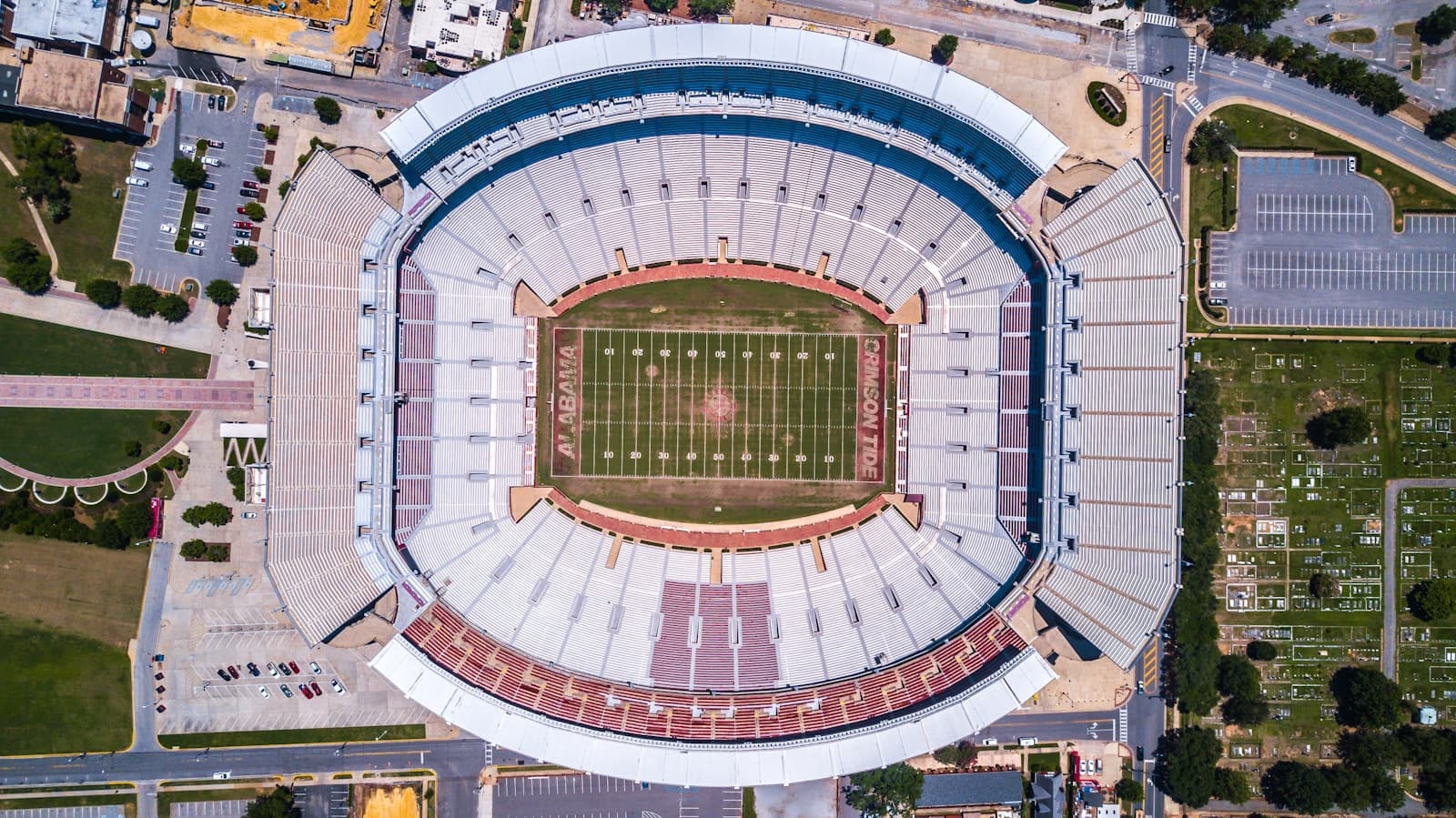
- The University of Alabama's academic calendar creates dramatic traffic shifts — game day Saturdays and fall semester weekdays see congestion along University Boulevard, 15th Street, and Jack Warner Parkway that disappears in summer and winter breaks. Retired drivers who avoid campus areas entirely or time errands around university schedules often qualify for lower risk profiles. If you no longer drive near campus or have shifted to summer-only errands when students are gone, telematics programs from carriers like State Farm and Progressive will document these patterns and adjust premiums accordingly.
- With a median vehicle age of 11–12 years among Tuscaloosa seniors, the decision to maintain comprehensive and collision on a paid-off car becomes financial rather than mandatory. A 2015 sedan worth $8,000 will cost $450–$650 annually for comp/collision with typical deductibles; after three claim-free years, you've paid nearly 25% of the vehicle's value for coverage. Many local agents recommend maintaining comprehensive for weather events (Tuscaloosa averages 2–3 severe storm seasons annually) while dropping collision if you drive under 5,000 miles yearly and have savings to replace the vehicle.
- Established neighborhoods like Alberta City, Woodland Forrest, and areas around Lake Nicol show lower theft and vandalism rates than apartment complexes along 15th Street or near campus, directly affecting comprehensive premiums. Garaging your vehicle in these ZIP codes (35404, 35406) typically costs 10–15% less than addresses in 35401 near downtown. If you've recently relocated within Tuscaloosa — particularly from a campus-adjacent area to a quieter subdivision — request a re-quote, as your carrier may not have automatically adjusted your rate for the reduced risk profile.
Compare rates from carriers that specialize in senior drivers
Mature driver discounts, low-mileage rates, and coverage reviews — see what you're actually eligible for.
Get Your Free QuoteCoverage Recommendations
Cost estimates are based on available industry data and vary by driver profile. These are not insurance quotes.
Liability Insurance
Higher speeds on Tuscaloosa's bypass routes (I-359, Highway 69 South) increase severity when collisions occur, making adequate liability limits essential even for low-mileage drivers.
$45–$75/monthEstimated range only. Not a quote.
Comprehensive Coverage
April and November historically bring damaging storms to West Alabama; comprehensive paid for itself for many seniors after the severe weather outbreaks in recent spring seasons.
$25–$45/monthEstimated range only. Not a quote.
Collision Coverage
Given Tuscaloosa's modest collision frequency outside McFarland Boulevard, many seniors with 10+ year-old paid-off vehicles save $400–$600 annually by dropping this coverage and self-insuring.
$35–$65/monthEstimated range only. Not a quote.
Uninsured Motorist Coverage
With lower-income areas along Greensboro Avenue and near Alberta showing higher uninsured rates, this coverage protects your medical costs and vehicle damage when hit by an uninsured driver.
$15–$30/monthEstimated range only. Not a quote.
Medical Payments Coverage
DCH Regional's emergency department is excellent, but a serious collision on I-20/59 can generate $3,000–$5,000 in immediate costs before Medicare processes claims — $5,000 in MedPay costs about $8–$12 monthly.
$8–$18/monthEstimated range only. Not a quote.