State Requirements
Alaska operates under a tort-based liability system and requires 50/100/25 minimum coverage—higher bodily injury limits than most states. The Alaska Division of Insurance prohibits age alone as a rate-increase factor without supporting claims data, offering some protection for senior drivers with clean records. Alaska does not mandate mature driver course discounts by law, but most insurers operating in the state offer them voluntarily, and seniors should explicitly request verification of eligibility when shopping policies.

Meeting the state minimum keeps you legal. See whether it's enough — get your Alaska quote.
Get your Alaska quoteCost Overview
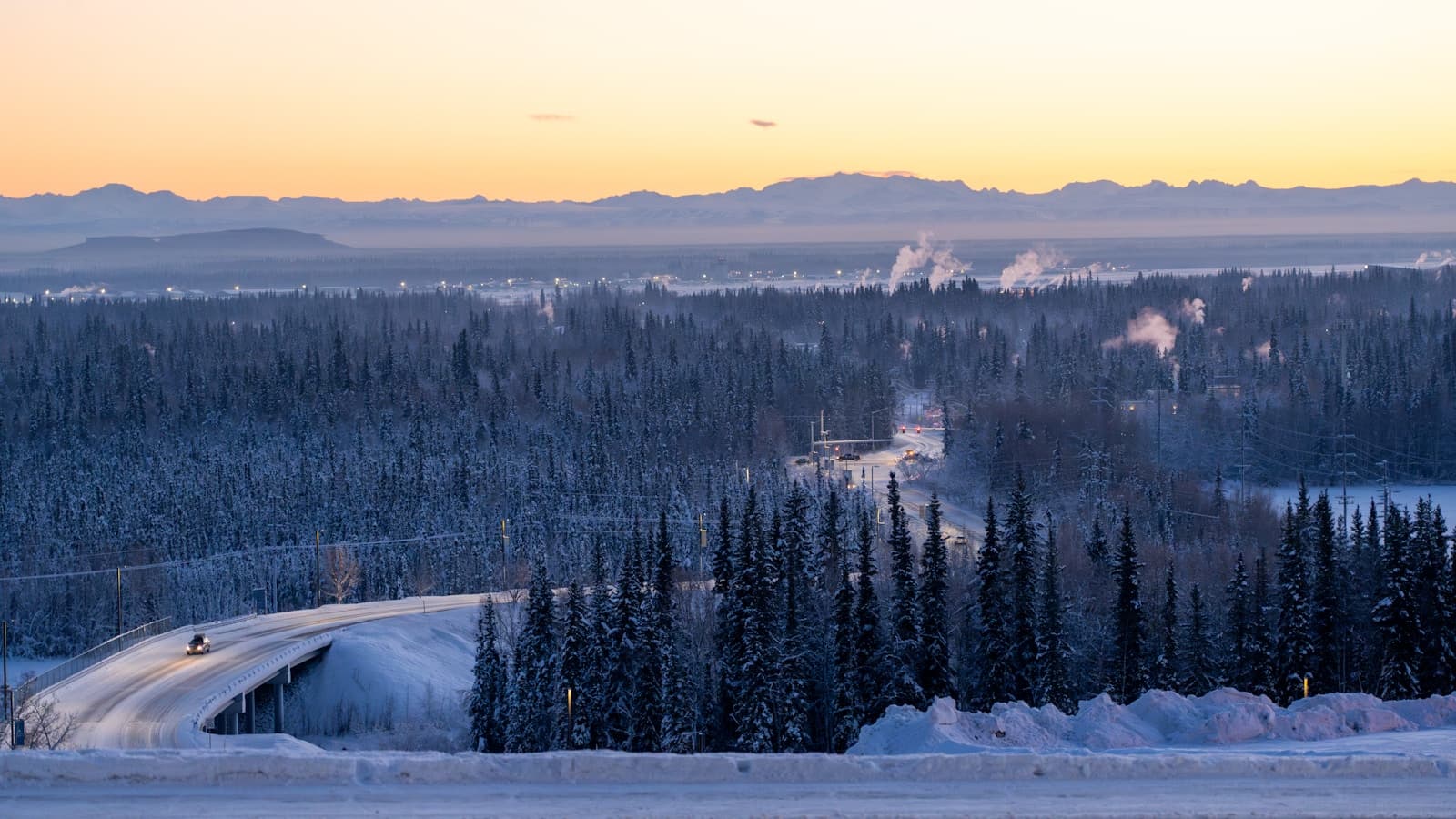
Auto insurance rates for Alaska senior drivers follow a U-shaped age curve—decreasing through middle age as experience accumulates, reaching a low point around age 60–65, then gradually increasing after age 70 as actuarial data shows increased claim frequency. Alaska's unique geography compounds this: winter driving conditions, remote road networks, and extended darkness during winter months create risk factors that affect all drivers but are weighted more heavily for older age brackets. Mature driver course completion, low annual mileage, and continuous coverage history can offset age-related increases by 10–20% for disciplined shoppers.
What Affects Your Rate
- Mature driver course completion reduces premiums 5–10% at most Alaska insurers; courses approved by AARP or the National Safety Council qualify, cost $20–$30, and can be completed online in 4–6 hours with certificate provided immediately.
- Annual mileage under 7,500 miles triggers low-mileage discounts of 8–15% at major carriers—particularly valuable for retired seniors no longer commuting to work, though Alaska's dispersed population means even 'local' driving often covers significant distances.
- Continuous coverage history without lapses demonstrates responsibility insurers reward; seniors who've maintained uninterrupted coverage for 10+ years typically receive loyalty discounts of 10–12%, and switching carriers does not erase this history if you can document it.
- Winter tire usage and vehicle safety features (adaptive cruise control, blind-spot monitoring, automatic emergency braking) can reduce rates 3–8% at carriers like GEICO and Progressive—equipment increasingly standard on vehicles purchased in the last 5–7 years.
- Anchorage and Fairbanks location premiums run 12–18% higher than communities like Kenai or Palmer due to higher claim frequency, traffic density, and vehicle theft rates—seniors relocating in retirement may see meaningful rate reductions in smaller communities.
- Bundling home or condo insurance with auto coverage generates multi-policy discounts of 15–25%—one of the largest available discounts and particularly accessible to senior homeowners who've paid off mortgages.
Compare rates from carriers that specialize in senior drivers
Mature driver discounts, low-mileage rates, and coverage reviews — see what you're actually eligible for.
Get Your Free QuoteCoverage Types
Liability Insurance
Alaska's 50/100/25 minimums are higher than most states but may be insufficient for senior drivers with retirement assets to protect. Many advisors recommend 100/300/50 limits for seniors with home equity or investment accounts, as Alaska's tort system allows injured parties to pursue assets beyond policy limits.
Comprehensive Coverage
Covers non-collision damage including moose strikes, windshield cracks from gravel roads, and winter storm damage—all routine in Alaska. For paid-off vehicles worth under $5,000, comprehensive may not be cost-justified once you factor in deductibles, but it's essential for protecting newer vehicles.
Uninsured Motorist Coverage
Protects you when struck by a driver without insurance or with insufficient coverage—critical given that approximately 13% of Alaska drivers operate uninsured. Alaska requires insurers to offer this at limits matching your liability policy, and you must reject it in writing if you decline.
Collision Coverage
Pays for damage to your vehicle regardless of fault when you collide with another vehicle or object. For senior drivers with paid-off vehicles worth under $4,000, collision coverage often costs more over 2–3 years than the potential payout after deductible.
Medical Payments Coverage
Optional coverage that pays medical expenses for you and your passengers regardless of fault, typically in $1,000–$10,000 increments. For seniors on Medicare, MedPay can cover deductibles, co-pays, and services Medicare doesn't cover immediately after an accident.
Roadside Assistance
Covers towing, flat tire changes, lockout service, and fuel delivery—typically $5–$12 per month depending on coverage limits. For senior drivers, this provides peace of mind when traveling Alaska's remote highways where cell service is intermittent and commercial towing can cost $200–$400.