
What Affects Rates in Denver
- Senior drivers in central Denver neighborhoods often log 40–50% fewer annual miles than the metro average, with many dropping below 7,000 miles per year after retirement. This reduced exposure—particularly avoiding peak congestion on the I-25/I-70 interchange and during morning rush on Speer Boulevard—makes snapshot or pay-per-mile programs from carriers like Nationwide and Metromile especially cost-effective. Drivers in Capitol Hill, Cheesman Park, and City Park who primarily use vehicles for medical appointments at UCHealth or National Jewish Health, plus occasional recreation, should specifically request mileage verification discounts that can reduce premiums by 10–20%.
- Denver's microclimates create dramatically different winter driving conditions within a few miles—north-facing streets in older neighborhoods like Highlands and Berkeley remain icy hours longer than south-facing slopes, while tree-canopied streets in Bonnie Brae and University Hills create persistent black ice zones that sun-exposed arterials don't experience. Senior drivers familiar with these patterns and who limit winter driving during morning freeze-thaw cycles may see fewer claims, but comprehensive coverage remains important given hail frequency (Denver averages 8–10 hail days annually) and the reality that parked vehicles on street permit zones face higher damage risk than those in private garages.
- Denver's concentration of major medical centers—including Denver Health on Bannock, Presbyterian/St. Luke's on 19th Avenue, Rose Medical on Ninth, and the Anschutz Medical Campus in Aurora—means most senior drivers are within 15 minutes of Level I trauma care. This proximity affects medical payments coverage decisions: while MedPay can cover immediate accident-related costs before Medicare processes claims, drivers already enrolled in Medicare Advantage plans with low emergency copays may find $5,000 MedPay limits redundant, whereas original Medicare enrollees should maintain at least $2,000–$5,000 MedPay to cover Part B deductibles and the 20% coinsurance on emergency transport.
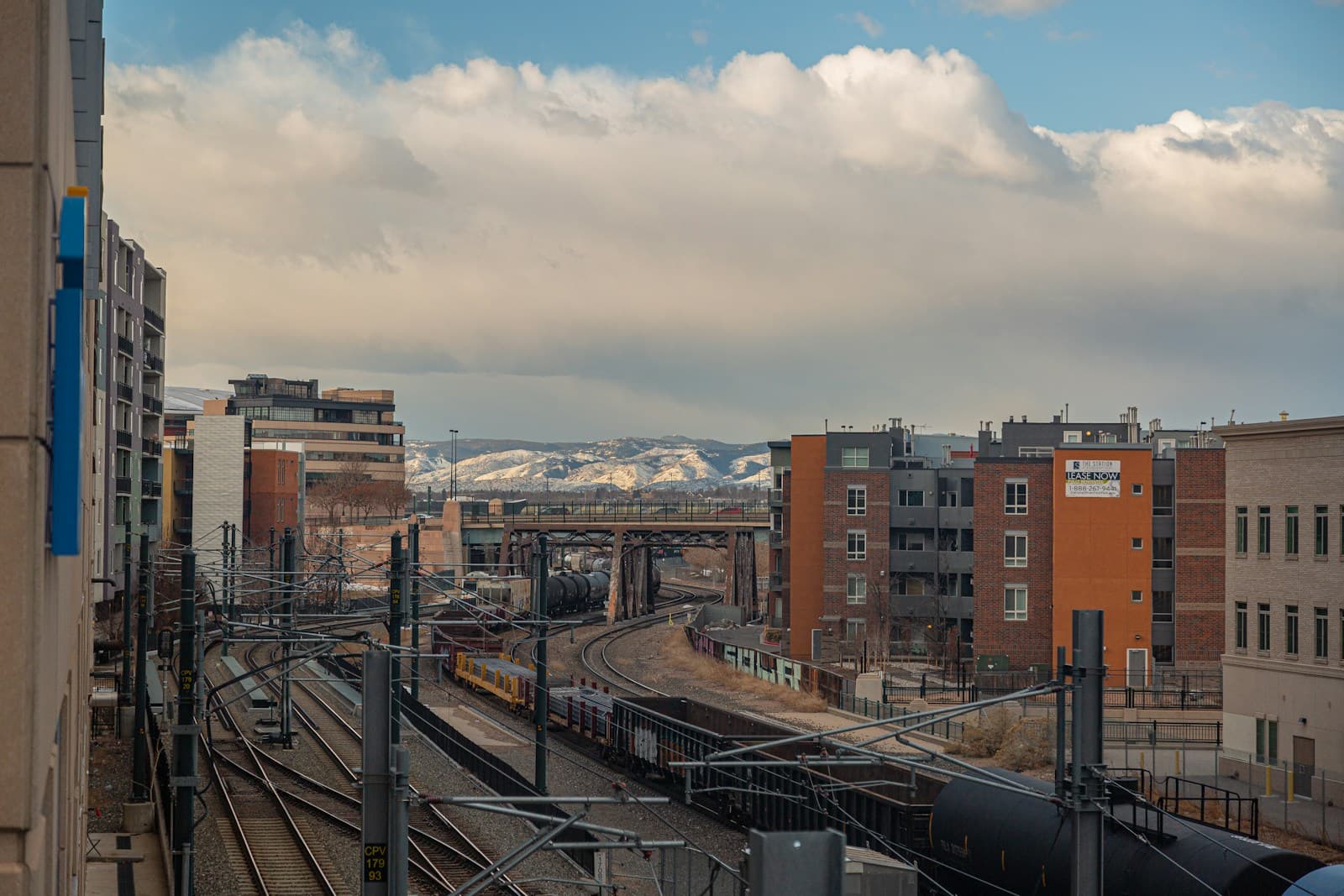
- RTD's extensive light rail network—particularly the E, F, R, and H lines serving central Denver, plus the A Line to DIA—provides viable car alternatives for senior drivers holding EcoPass or discounted senior fare cards. Drivers who shift to RTD for routine trips and maintain vehicles primarily for medical appointments, mountain access, or visiting family in suburbs may question whether full coverage justifies the cost on a paid-off 2012–2016 vehicle. For cars valued under $5,000, dropping comprehensive and collision can save $40–$70 monthly, but only makes financial sense if you have liquid savings to replace the vehicle after a total loss—a calculation that depends on your specific retirement income structure.
- Colorado's uninsured motorist rate hovers near 13%, but enforcement patterns and claim data show higher uninsured driver concentrations along Federal Boulevard, Colfax Avenue east of Colorado Boulevard, and portions of South Broadway. Senior drivers who routinely travel these corridors—particularly those accessing medical appointments at Denver Health or shopping along Southwest Plaza areas—should maintain uninsured/underinsured motorist coverage at limits matching their liability coverage ($100,000/$300,000 minimum recommended). This coverage becomes your substitute when an at-fault driver lacks adequate insurance, and it's relatively inexpensive given Denver's urban density and the statistical likelihood of multi-vehicle incidents on congested arterials.
Compare rates from carriers that specialize in senior drivers
Mature driver discounts, low-mileage rates, and coverage reviews — see what you're actually eligible for.
Get Your Free QuoteCoverage Recommendations
Cost estimates are based on available industry data and vary by driver profile. These are not insurance quotes.
Liability Insurance
Denver's dense traffic on Speer, University Boulevard, and the I-25 corridor increases multi-vehicle accident severity, making higher liability limits essential for protecting accumulated assets.
$45–$75/month for 100/300/100Estimated range only. Not a quote.
Comprehensive Coverage
Denver's Front Range hail exposure—particularly May through August—makes comprehensive coverage valuable even on older paid-off vehicles given repair costs from severe hailstorms that hit metro neighborhoods every 2–3 years.
$25–$55/month depending on vehicle valueEstimated range only. Not a quote.
Uninsured Motorist Coverage
With uninsured driver rates higher along Colfax and Federal corridors that many Denver seniors use for medical appointments and errands, UM/UIM coverage at 100/300 limits provides crucial financial backup.
$15–$30/month for 100/300Estimated range only. Not a quote.
Medical Payments Coverage
Senior drivers on original Medicare should maintain $2,000–$5,000 MedPay limits to cover Part B deductibles and coinsurance during the gap before Medicare processes accident claims at Denver Health or Rose Medical.
$8–$18/month for $5,000 coverageEstimated range only. Not a quote.
Collision Coverage
For paid-off vehicles over 10 years old valued under $4,000, collision coverage may cost more over three years than the potential claim payout, making liability-only a rational choice for senior drivers with emergency savings.
$30–$65/month depending on vehicle ageEstimated range only. Not a quote.