State Requirements
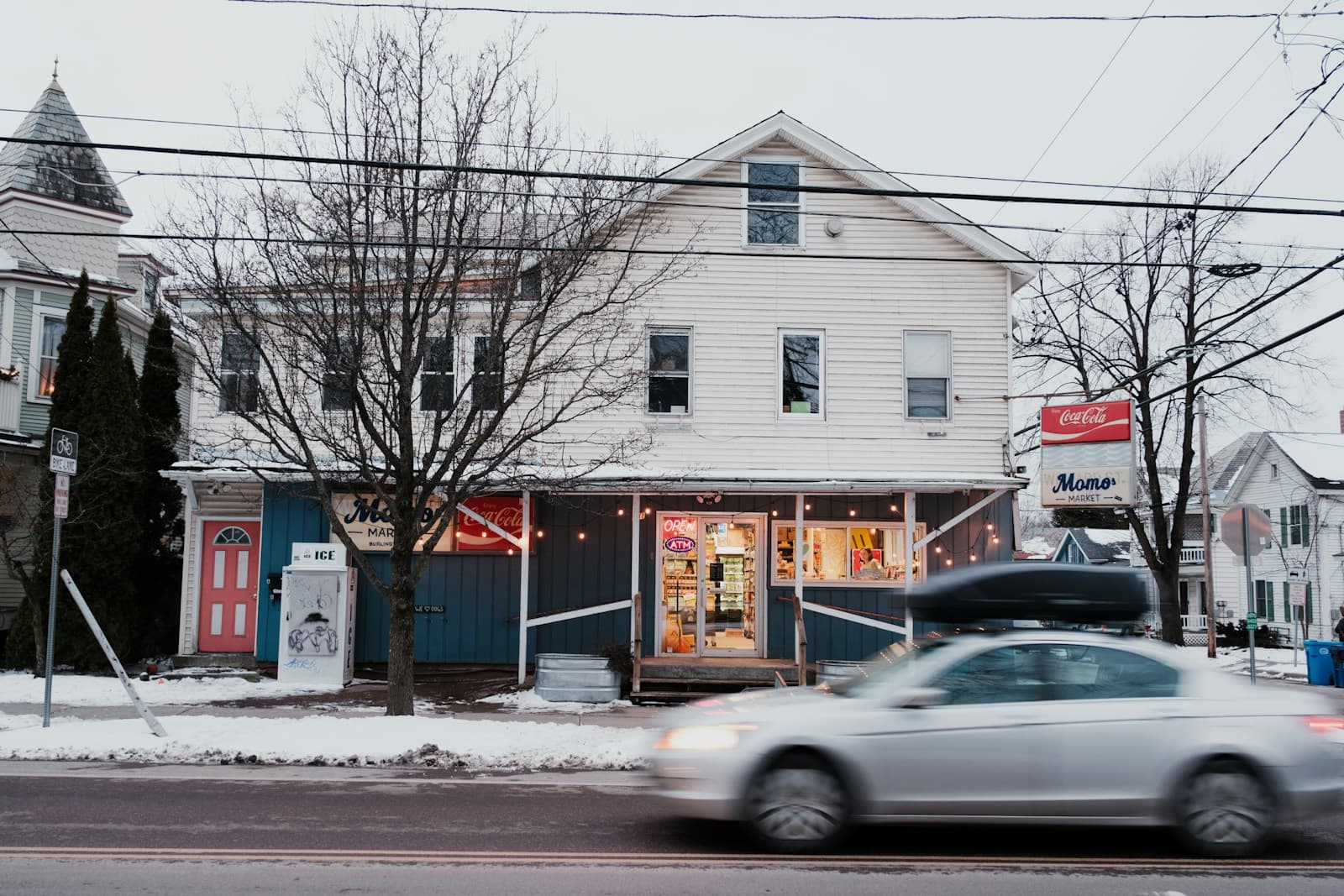
Vermont operates under an at-fault system and mandates 25/50/10 liability minimums — $25,000 bodily injury per person, $50,000 per accident, and $10,000 property damage. The state also requires uninsured motorist coverage at the same limits, a critical protection since Vermont has no mandatory underinsured motorist coverage and approximately 8–9% of drivers are uninsured. While Vermont does not legally mandate mature driver course discounts, most major carriers voluntarily offer them to drivers who complete state-approved defensive driving programs.
Meeting the state minimum keeps you legal. See whether it's enough — get your Vermont quote.
Get your Vermont quoteCost Overview
Auto insurance rates for senior drivers in Vermont follow a U-shaped curve: premiums typically decrease through your 60s as you benefit from loyalty discounts and mature driver course savings, then begin rising again around age 70–72 due to actuarial age factors. Vermont's rural character — with winter driving conditions, wildlife collision risk, and limited access to repair shops in some areas — affects pricing, but your decades of driving experience and typically clean record work in your favor.
What Affects Your Rate
- Completing a state-approved defensive driving course (AARP Smart Driver or equivalent) typically reduces premiums by 5–10% for three years in Vermont, with some carriers offering up to 15% savings for drivers over 55.
- Reducing annual mileage below 7,500 miles — common for retired Vermonters who no longer commute — qualifies for low-mileage discounts of 10–20% with most carriers, and telematics programs can save an additional 5–15% for safe driving patterns.
- Vermont's high deer collision rate (over 2,500 reported annually, one of the highest per capita rates in the U.S.) increases comprehensive coverage costs, particularly in rural Washington, Orange, and Caledonia counties where wildlife strikes are most frequent.
- Winter driving conditions — Vermont averages 80–100 inches of snow annually in most areas — affect collision and comprehensive pricing, but senior drivers who reduce winter driving or relocate seasonally may qualify for seasonal storage discounts of 30–50% on comprehensive and collision premiums.
- Maintaining continuous coverage for 5+ years with the same carrier often yields loyalty discounts of 5–10%, which stacks with mature driver course savings and can offset age-based rate increases for drivers in their early 70s.
- Bundling auto with homeowners insurance saves 15–25% with most Vermont carriers, a particularly valuable strategy for senior drivers who own their homes outright and can choose higher deductibles to reduce premiums on both policies.
Compare rates from carriers that specialize in senior drivers
Mature driver discounts, low-mileage rates, and coverage reviews — see what you're actually eligible for.
Get Your Free QuoteCoverage Types
Liability Coverage Above Minimums
Vermont's 25/50/10 minimums are inadequate for most accidents — consider 100/300/100 limits if you have assets to protect. Senior drivers with home equity or retirement savings face significant financial exposure at minimum limits, and the cost difference is often just $15–$25/month for dramatically better protection.
Comprehensive Coverage for Deer Strikes
Vermont ranks among the top 10 states for deer-vehicle collisions, with the highest risk in rural counties. Comprehensive coverage pays for deer strike damage minus your deductible, a common claim for drivers in Washington, Orange, Windsor, and Caledonia counties.
Uninsured/Underinsured Motorist Coverage
While Vermont mandates uninsured motorist bodily injury coverage at 25/50 minimums, you should consider increasing limits to match your liability coverage and adding underinsured motorist protection. This coverage pays when you're hit by a driver with insufficient insurance, and it covers medical expenses Medicare doesn't pay for accident-related injuries.
Medical Payments Coverage
Medical payments (MedPay) coverage pays accident-related medical expenses for you and your passengers regardless of fault, covering deductibles and co-pays that Medicare doesn't pay. Senior drivers should consider $5,000–$10,000 in MedPay to bridge the gap between Medicare and full accident costs.
Collision Coverage Cost-Benefit Analysis
If your vehicle is paid off and worth less than $4,000–$5,000, calculate whether collision premiums plus your deductible over two years exceed your car's value. Many senior drivers who've reduced mileage and primarily drive locally find collision coverage no longer cost-justified on older vehicles.
Roadside Assistance and Towing
Roadside assistance coverage costs $5–$10/month and provides towing, battery jump-starts, flat tire changes, and lockout service. For senior drivers in rural Vermont where cell service can be limited and tow distances are long (often 20–40 miles to the nearest shop), this coverage provides peace of mind beyond AAA membership.